
In the evolving landscape of digital marketing, one thing is clear — traditional keyword-focused SEO is no longer enough. With search engines like Google becoming more intelligent and context-aware, businesses must shift their strategy to stay ahead. This is where Semantic SEO comes in — a more advanced, intent-based approach to ranking content.
At Dexora Digital, we recently conducted an in-depth analysis of a Shopify-based website. The outcome? By applying Semantic SEO techniques with in 35days, we achieved the following results:
- 51 ranking keywords (up 24.39%)
- 457 organic monthly visits (up 22.19%)
- $5.6K in organic traffic value (up 16.54%)

These results were not achieved through guesswork — they came from structured content strategy, search intent targeting, and a focus on topical authority.
What is Semantic SEO?
Semantic SEO is the process of optimizing content around meaning and context rather than exact-match keywords. It involves understanding the user’s intent, building comprehensive topic clusters, and using structured data to help search engines make sense of your site.
In 2025 and beyond, this approach will dominate because it aligns perfectly with how Google now evaluates content.
Key Elements of Semantic SEO
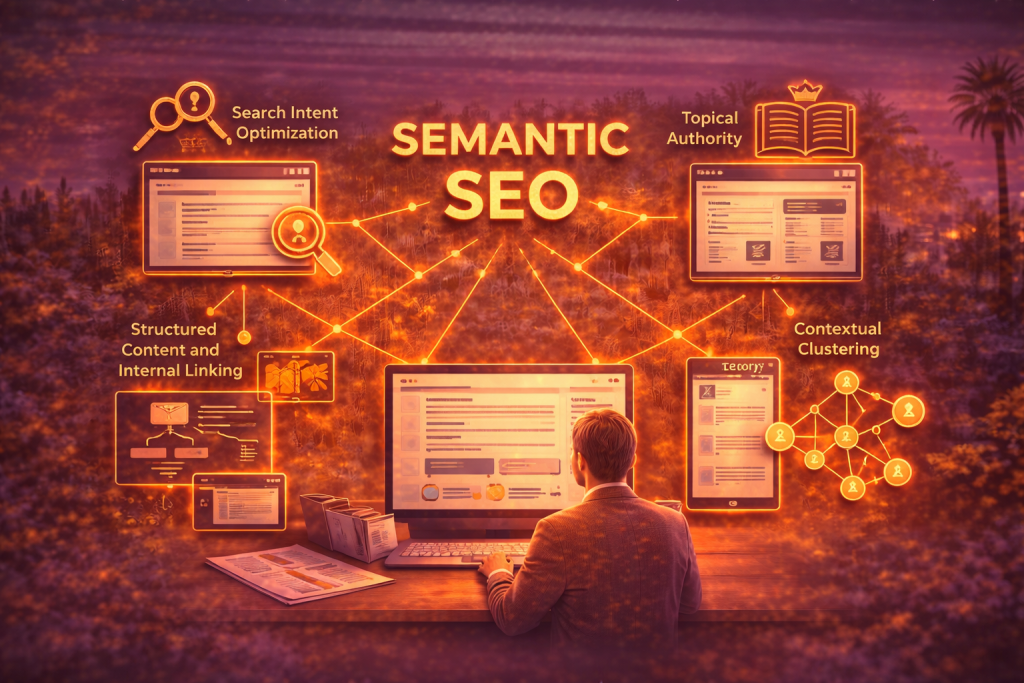
- Search Intent Optimization
Focus on answering the real questions behind each keyword query. - Topical Authority
Build content around complete topics, not isolated keywords. This includes pillar pages supported by related articles. - Structured Content & Internal Linking
Organize your content logically, using proper headings (H1, H2, etc.), internal links, and schema markup. - Contextual Clustering
Interlink related articles to create content silos, signaling expertise and relevance to search engines.
Why Does This Matter for Your Business?
If your website is still focused on outdated tactics — like keyword stuffing, writing short blogs, or over-optimizing for a single phrase — you’re leaving results on the table.
Semantic SEO helps you:
- Rank for a wider range of related terms
- Earn higher traffic value without paid ads
- Build long-term content equity that strengthens over time
At Dexora Digital, we’re committed to building future-ready SEO strategies that grow with AI-driven algorithms, not against them.
Frequently Asked Questions (FAQs)
1. What is Semantic SEO?
Semantic SEO is a strategy that focuses on the meaning behind a search query rather than exact-match keywords. It includes optimizing for search intent, creating topic clusters, and using structured content.
2. Why is Semantic SEO better than traditional SEO?
Traditional SEO often targets isolated keywords. Semantic SEO targets entire topics and their context, making it easier to rank for a broader range of queries and improving long-term visibility.
3. How can I implement Semantic SEO on my website?
You can start by identifying core topics, creating in-depth pillar pages, supporting them with subtopic content, and interlinking everything strategically. Use schema markup and optimize for user experience as well.
4. Will Semantic SEO help my Shopify store rank higher?
Yes. Shopify stores can greatly benefit from Semantic SEO through optimized product categories, blog content, and FAQ integration — all tailored to user intent and Google’s evolving algorithms.
5. Is Semantic SEO suitable for small businesses?
Absolutely. Semantic SEO doesn’t require a big budget — just the right knowledge and a structured content plan. It helps small businesses rank organically without relying heavily on paid ads.
Ready to Upgrade Your SEO Strategy?
If you’re serious about ranking higher in 2025 and beyond, it’s time to shift your focus from just “keywords” to user-focused, semantic-rich content.
📧 Contact us at info@dexoradigital.com
🌐 Book your free consultation today at dne.kvp.mybluehost.me/website_d54e723d/consultation

Local SEO and AI Search (AEO & GEO) Specialist.
Building search visibility that converts into qualified demand.
Today, businesses need visibility on Google Maps and AI powered search and websites that actually convert visitors into leads. I am a Local SEO, AI Search & Conversion Rate Optimization (CRO) Specialist with 5+ years of hands on experience helping businesses turn underperforming websites into high converting growth engines. My work combines Local SEO, Technical SEO, Semantic SEO, GEO/AEO, and conversion focused landing page optimization to ensure brands are discoverable and profitable.
My Experience
I have delivered SEO and web growth projects across the US, UK, Australia, Canada, Finland, Germany, and the Czech Republic, working in industries such as local businesses (electrician, hvac, cleaning, Real estate, healthcare, B2B, eCommerce, SaaS, and environmental services.
Some Results
>> 200+ websites audited globally
>> specifically worked with 100+ local business (80% from USA)
>> 80+ websites improved through technical SEO & schema fixes
>> 20+ businesses featured in Google AI Overviews (SGE)
>> Multi million impression growth for eCommerce & SaaS brands
Book Free Consultation: calendly.com/dexora/30min
