

 8,119 AI citations / month
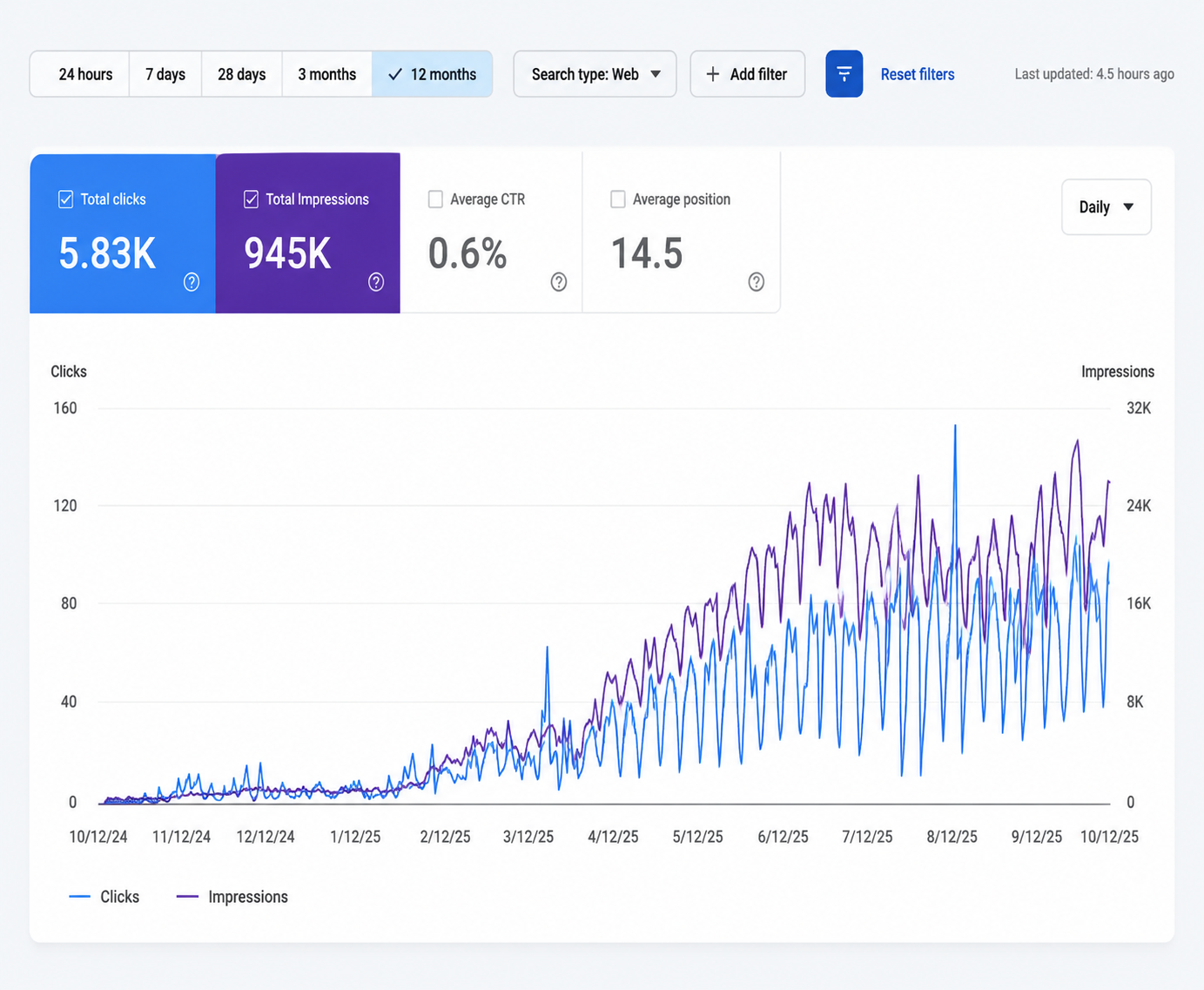
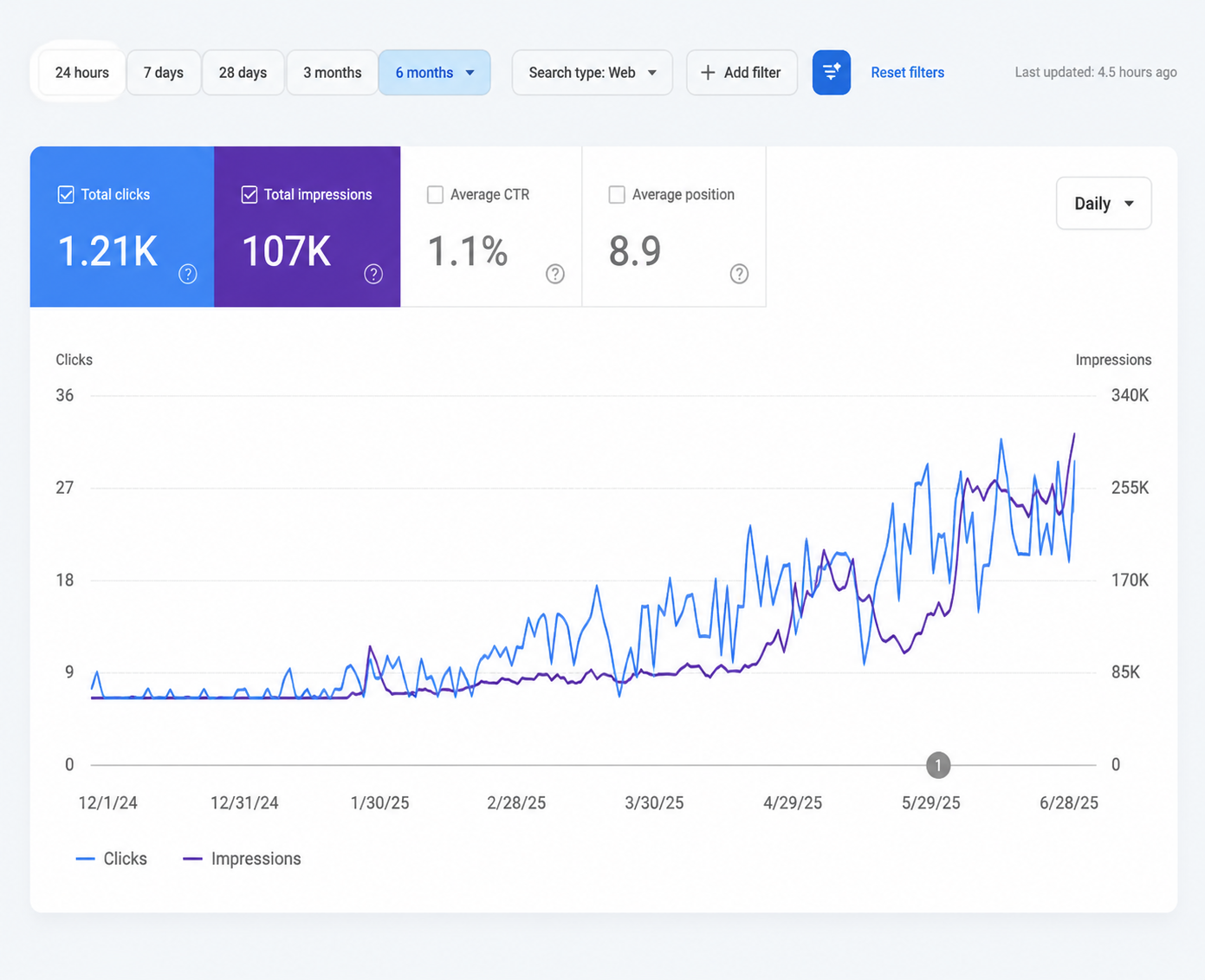
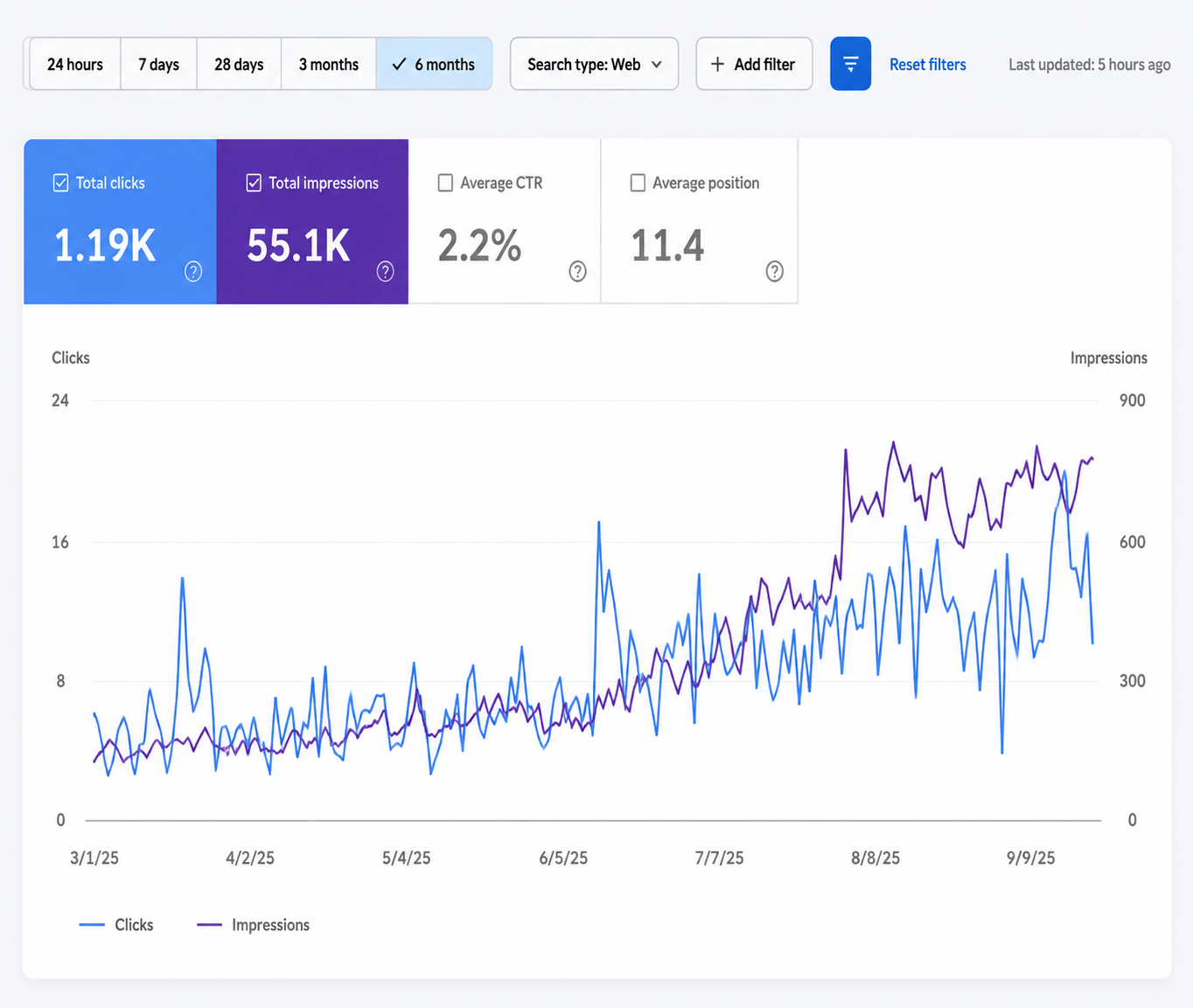
Every result below is verified by Google Search Console or Google Business Profile exports.
8,119 AI citations / month 59.4K impressions · 11.4% CTR
 National site plan brand, 50 states
 0 → 114 keywords in 8 weeks
 570K search impressions
 $13.85 avg CPC in a $150+ market
 15% Google Maps CTR
 30 pages cited in ChatGPT
 Regulated SaaS redesign + SEO


Real Google Search Console reports from client SEO campaigns. Click any report to see it full size.
Trusted by businesses across the United States, United Kingdom, Australia, Canada and Finland.
"Dexora Digital took over our SEO, website development, and digital marketing in early 2025 and delivered outstanding results. The new pages they created are professionally designed, SEO-focused, and highly effective at converting visitors into quality leads. Our content now generates over 8,000 AI citations per month."

"Great experience from start to finish. The quality of the monthly local SEO, GEO, and AEO work is outstanding, and everything is handled with care and expertise. Communication is clear and professional. I genuinely enjoy collaborating with them and appreciate their long-term, results-driven approach. Highly recommended."

"It is a pleasure to work with them. They are very knowledgeable and responsive. They did great job on our website redesign and AI search optimization."

"Working with Taqweem has been a pleasure. He and his team are thoughtful and responsive about how they develop sites. Communication is continuous, and he listens intently. He is comfortable offering suggestions that enhance your ideas without increasing cost."

"I've been working with this team for about a year now. Every time I do a project they are responsive, respectful and deliver high quality work. I would recommend them to anyone needing their services."

"Exceptional service delivery and knowledge. I can highly recommend Dexora Digital SEO services. They developed the website for me and are now managing SEO with exceptional progress."
"Professional, responsive, and highly knowledgeable. Dexora explained everything clearly and delivered exactly what was promised. Because of the experience, we moved forward with ongoing SEO services."

"They did an excellent job with my SEO. He clearly explained what he was doing, why it mattered, and delivered everything on time. The improvements he made were detailed and practical."

"I got a result that far exceeded my expectations, and I want to thank the team very much. They worked meticulously and understood our needs, delivering exactly what we wanted. I definitely recommend them."
"I’m extremely impressed with the SEO work delivered. They were knowledgeable, responsive, and provided clear insights into how to improve our site ranking. They performed a detailed audit, optimized key pages, and gave actionable recommendations that actually made a difference."

"Professional, and he took his time to explain insights clearly."

"Very thorough work with research and implications. Clear and concise formatting."

"Excellent customer service, great work. I will definitely use him again."

"Awesome team."

From engineering firms and law practices to eCommerce brands and local service companies.








































Straight answers on crawling, indexing, Core Web Vitals, schema and what we actually fix.
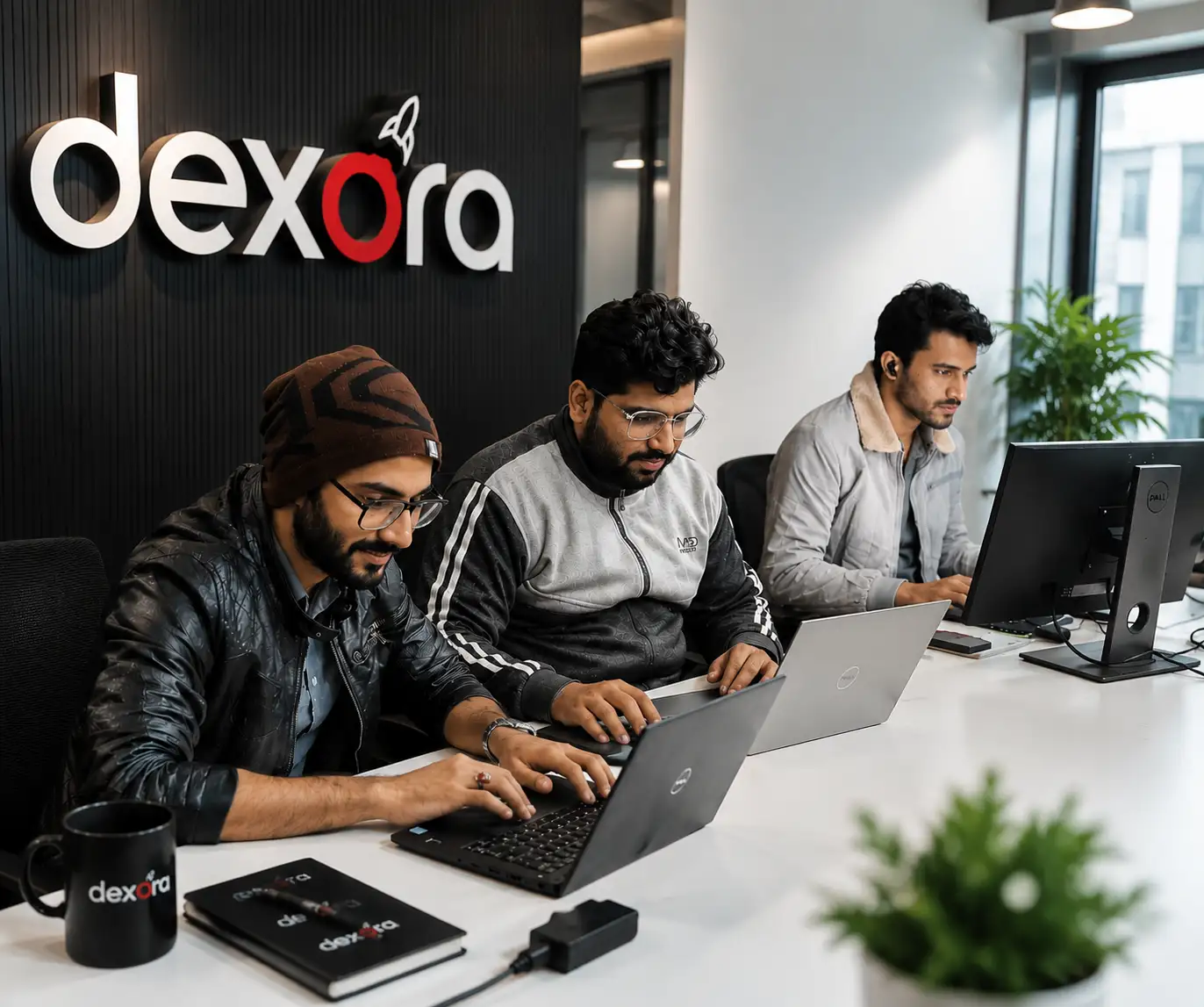
 Dexora DigitalTaqweem Ahmad & team · 20 experts
Ask me anything about SEO, Google Maps, getting found in ChatGPT, websites, pricing or our results. I reply in seconds, and Taqweem follows up personally.